Home Renovation Tools
Painting Tools: Rollers, Brushes, Sprayers and Prep Kit
What you need to paint walls, ceilings, trim and doors: brushes, roller covers by nap, extension poles, trays, tape, drop cloths and when a paint sprayer is worth it.
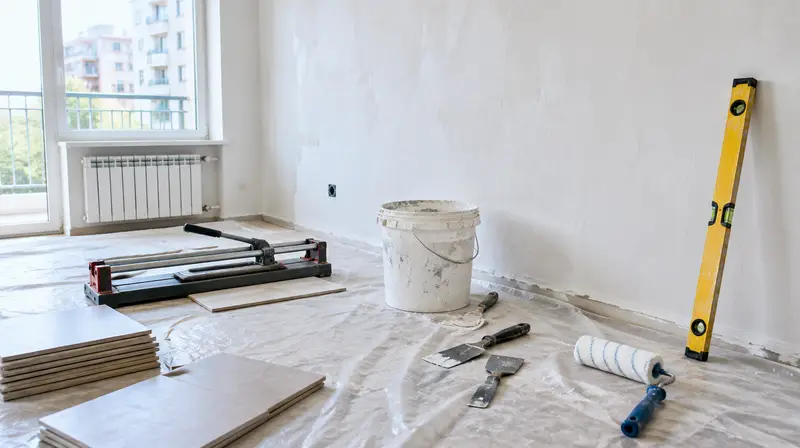
Painting is the most popular renovation job, and the one where cheap tools most obviously show. A shedding roller or a stiff brush leaves texture and bristles in the paint. The good news: a complete, good-quality painting kit is not expensive. Here is what to buy and how to use it.
Painting kit checklist
- Roller frame (230 mm / 9 in) + covers with the right nap
- Extension pole
- Paint tray or bucket with grid
- Angled sash brush (50 mm / 2 in) for cutting in, plus a 75 mm brush
- Painter's tape, drop cloths, plastic sheeting
- Filler, filling knife, sanding block, sugar soap / degreaser
- Stepladder
Rollers
For walls and ceilings, a 230 mm (9 in) roller is standard. A mini roller (100–150 mm) helps behind radiators and on doors.
Choosing the nap (pile) length
| Nap | Surface |
|---|---|
| Short, 5–10 mm (3/16–3/8 in) | Smooth walls, ceilings, doors; best for eggshell/satin |
| Medium, 12–15 mm (1/2 in) | Most interior walls, light texture |
| Long, 18–25 mm (3/4–1 in) | Rough surfaces, masonry, textured ceilings |
| Foam | Very smooth finishes on doors and furniture; not for large walls |
Microfibre and woven covers shed less than cheap foam or loose-knit covers. Before use, wrap the new cover with masking tape and peel it off to remove loose fibres.
Brushes
- Synthetic (nylon/polyester) bristles for water-based paints.
- Natural bristle for oil-based paints and varnishes.
- Angled sash brush (40–65 mm) for "cutting in" along ceilings, corners and trim.
- Flat brush (75–100 mm) for doors and larger flat areas.
A good brush holds more paint and releases it evenly, and its bristles do not fall out.
Preparation tools
- Drop cloths: canvas for floors (does not slip), plastic for furniture.
- Painter's tape: choose the right adhesion (delicate surfaces vs standard).
- Filler and knives for holes and cracks; see plastering tools.
- Sanding block or sander for glossy surfaces and repairs.
- Sugar soap or degreaser and a sponge: paint does not stick to grease, especially in kitchens.
- Caulk and caulking gun for gaps between walls and trim.
- Screwdriver to remove outlet covers and switch plates (switch off power where necessary).
Paint sprayers: are they worth it?
| Sprayer type | Best for | Notes |
|---|---|---|
| HVLP (turbine) | Furniture, doors, cabinets, fences | Fine finish, less overspray, slower |
| Airless | Whole rooms, exterior walls, empty houses | Very fast, but heavy masking and overspray |
For a single room in an occupied home, a roller is usually faster once you count masking and cleaning time. Sprayers shine on new builds, big empty spaces, fences and furniture.
How to paint a room
- Move furniture to the centre and cover it. Cover floors.
- Remove switch plates and outlet covers. Fill, sand and clean walls.
- Tape trim if you are not confident cutting in freehand.
- Prime repairs and new plaster.
- Paint the ceiling first, then walls, then trim and doors.
- Cut in a band 5–7 cm wide along edges with a brush, then roll the wall while the cut-in edge is still wet.
- Roll in a "W" or "M" pattern, then fill in without lifting the roller, finishing with light vertical strokes.
- Apply a second coat after the recommended drying time. Remove tape while the last coat is still slightly soft.
Cleaning and storage
Clean water-based paint from brushes and rollers with water and a little soap; oil-based paint requires the appropriate solvent. Wrap tools in plastic film between coats on the same day to avoid washing them. Dispose of paint and solvents according to local rules; never pour them down the drain.
Frequently asked questions
What roller is best for smooth walls?
A short to medium nap (10–12 mm) microfibre cover gives a smooth finish on typical interior walls.
Should I paint the ceiling or walls first?
Ceiling first, so drips on the walls are covered later.
This guide is general information, not professional advice. Always read your tool's manual, use the right protective equipment and follow local building and electrical codes. See our disclaimer.