Power Tools Explained
Sanders Explained: Random Orbital, Sheet (Vibration) and Belt Sanders
The difference between random orbital, sheet, detail and belt sanders, which grits to use, dust extraction, and how to sand wood and paint for a smooth finish.
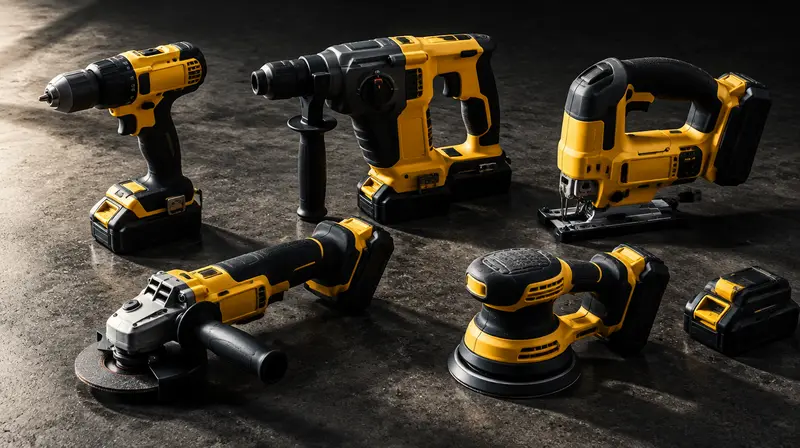
Sanding by hand is slow and tiring, and the results are often uneven. A power sander makes preparing wood, furniture and painted surfaces much faster. But there are several types, and choosing the wrong one can gouge your work. This guide explains the differences and how to get a smooth finish.
Quick answer
- Random orbital sander (125 mm / 5 in): the best all-round choice for beginners.
- Sheet (finishing) sander: square pad for corners and fine finishing; slower.
- Detail (mouse/delta) sander: small pointed pad for corners and tight spots.
- Belt sander: aggressive stock removal on large flat surfaces; easy to overdo.
- Always connect dust extraction and wear a respirator.
Types of sander
Random orbital sander (eccentric sander)
The round pad spins and moves in small ellipses at the same time. This random pattern avoids visible swirl marks and removes material relatively fast. Hook-and-loop discs change in seconds. This is the sander most people should buy first.
- Pad size: 125 mm (5 in) is standard; 150 mm (6 in) for larger surfaces.
- Orbit diameter: 2–3 mm for fine finishing, 5 mm for faster removal.
- Variable speed is useful for finishing and polishing.
Sheet sander / orbital finishing sander (vibration sander)
A rectangular pad that vibrates in small orbits. It uses cut-down standard sandpaper sheets (1/4 or 1/3 sheet). Slower than a random orbital sander, but the square pad reaches into corners. Good for fine finishing between coats of paint.
Detail sander (mouse, delta)
A small triangular pad for corners, window frames and furniture details. An oscillating multi-tool with a sanding pad does the same job.
Belt sander
A continuous abrasive belt driven between two rollers. Very aggressive: levelling rough boards, removing thick paint, shaping. It can quickly dig into a surface if tilted or held still. Not a beginner's first sander.
Drywall sander
A large round head on a long pole with built-in extraction for sanding walls and ceilings after skimming. Usually rented. See plastering tools.
Comparison
| Sander | Speed of removal | Finish | Corners | Best for |
|---|---|---|---|---|
| Random orbital | Medium–high | Very good | No | Furniture, doors, general sanding |
| Sheet / vibration | Low–medium | Good | Yes (square) | Finishing, paint prep |
| Detail | Low | Good | Yes | Corners, frames |
| Belt | Very high | Rough | No | Levelling, stripping |
Choosing sandpaper grit
| Grit | Use |
|---|---|
| 40–60 (coarse) | Removing paint and varnish, heavy levelling |
| 80–100 (medium) | Smoothing rough wood, removing marks |
| 120–150 (fine) | Preparing bare wood for finish |
| 180–240 (very fine) | Between coats of paint or varnish |
| 320+ (extra fine) | Final finishing, lacquers |
Work through the grits without skipping more than one step (for example 80 → 120 → 180). Skipping steps leaves scratches from the coarser grit.
How to sand with a random orbital sander
- Connect a vacuum or dust bag, and wear a respirator and eye protection.
- Fit the disc so its holes line up with the pad holes for dust extraction.
- Place the sander on the surface before switching on to avoid gouges.
- Move slowly (about 2–3 cm per second) in overlapping passes. Let the tool's weight do the work; do not press hard.
- Keep the pad flat; tilting it concentrates pressure on the edge.
- Lift the sander off only after switching off and letting it slow down.
- Wipe the surface with a damp cloth or tack cloth between grits to spot scratches.
Paint in homes built before 1978 (US) or before the 1990s elsewhere may contain lead. Do not dry-sand old paint until you have tested it. Lead dust is highly toxic, especially to children.
Frequently asked questions
Which sander is best for furniture?
A 125 mm random orbital sander for flat areas, plus a detail sander or hand sanding for corners and profiles.
Why does my sander leave swirl marks?
Pressing too hard, moving too fast, skipping grits, or clogged discs. Slow down, lighten pressure and replace discs often.
This guide is general information, not professional advice. Always read your tool's manual, use the right protective equipment and follow local building and electrical codes. See our disclaimer.