Car Repair Tools
Car Emergency Kit: What Tools to Keep in Your Trunk
A practical checklist of tools and supplies to keep in your car: jump starter, tire inflator, lug wrench, jack, first aid, lights and winter extras, and why each matters.
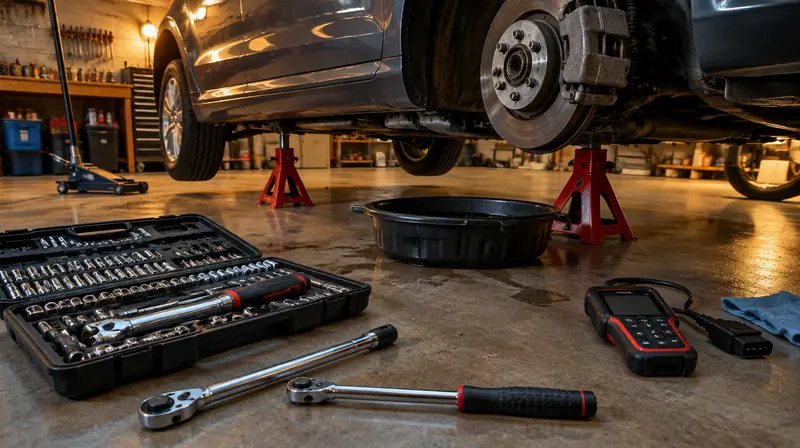
Most roadside problems are simple: a flat tyre, a dead battery, a blown bulb or getting stuck in snow. With the right kit in the trunk, many of them take minutes instead of hours waiting for roadside assistance. This checklist covers essentials, useful extras and seasonal items.
Essentials
- Portable jump starter (or jumper cables)
- Tire inflator and a tyre pressure gauge
- Spare tyre (check its pressure!) or tyre repair kit, jack and lug wrench
- Wheel lock key (if your wheels have locking nuts)
- Warning triangle and high-visibility vest (required by law in many countries)
- Flashlight / headlamp, first aid kit, gloves
Power and battery
- Lithium jump starter: compact, and does not need a second car. Choose one rated for your engine size (diesel and large petrol engines need more). Recharge it every few months. See jump starters and chargers.
- Jumper cables: cheaper backup. Choose heavy-gauge cables at least 3–4 m long.
- USB charger / power bank for your phone.
Tyres and wheels
- Spare wheel (full-size or space-saver): check its pressure every month or two; spares are often found flat.
- Tyre repair kit (sealant + compressor) if your car has no spare. Sealant works for small tread punctures only.
- Portable tyre inflator: 12V or cordless. See tire inflators.
- Tyre pressure gauge: a digital or dial gauge is more accurate than many inflator displays.
- Jack and lug wrench: the factory tools work; a cross-shaped (4-way) lug wrench gives more leverage.
- Wheel lock key: store it in a consistent place; without it you cannot remove a locking nut.
- Small board (e.g. 20×20 cm plywood) to put under the jack on soft ground.
Safety and visibility
- Warning triangle placed well behind the car, and hi-vis vest.
- Flashlight or headlamp with spare batteries (or rechargeable).
- First aid kit: check expiry dates yearly.
- Fire extinguisher (small, car-rated, securely mounted), required in some countries.
Basic tools
- Multi-bit screwdriver, adjustable wrench, combination pliers
- Small socket set (8–19 mm) if you are comfortable using it
- Work gloves and disposable nitrile gloves
- Duct tape, cable ties, a utility knife
- Spare fuses (in your car's sizes) and a fuse puller
- Spare bulbs if your car uses replaceable halogen bulbs
Fluids
- 1 L of the correct engine oil for top-ups
- Washer fluid (winter-rated in cold climates)
- Coolant: only the type specified for your car; do not mix types
- Paper towels or rags, a small funnel
Winter extras
- Ice scraper and snow brush, de-icer spray
- Compact shovel, traction mats or a bag of sand/cat litter
- Warm blanket, hat and gloves, water and snacks
- Snow chains if required in your area (practise fitting them at home)
How to store it
Use a trunk organiser or crate so heavy items cannot slide or become projectiles in a crash. Keep the most-used items (inflator, gloves, triangle, vest) on top or in the door pocket. Check the kit twice a year when the clocks change. Use our printable car kit checklist.
Frequently asked questions
Is a jump starter better than jumper cables?
A jump starter works without a second car and is usually safer for beginners. Cables are cheaper and never need charging. Many people carry both.
Should I keep a jack stand in the car?
For roadside wheel changes, the factory jack is sufficient because you never go under the car. Jack stands are for garage work.
This guide is general information, not professional advice. Always read your tool's manual, use the right protective equipment and follow local building and electrical codes. See our disclaimer.