Buying Guides
How to Spot Fake Power Tools and Buy Used Tools Safely
Warning signs of counterfeit power tools and batteries, where fakes are sold, and a checklist for inspecting and testing second-hand tools before you buy.
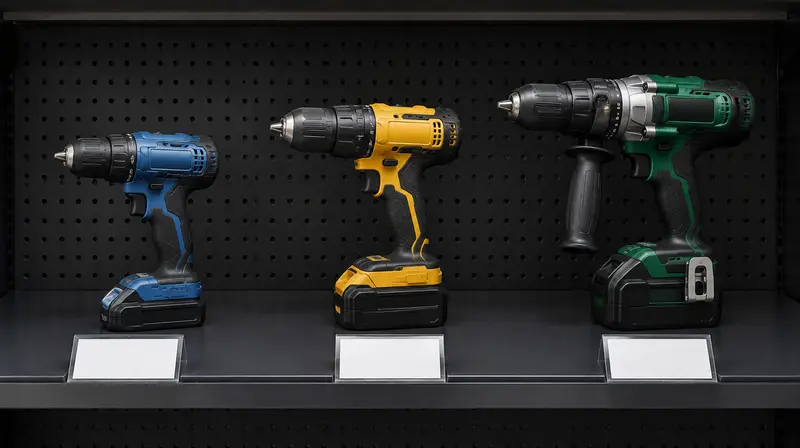
Counterfeit tools and batteries are sold on online marketplaces, social media and at markets, often at prices that look too good to be true. They perform poorly at best, and fake lithium batteries can be a real fire risk. Meanwhile, second-hand tools from genuine brands can be excellent value if you know what to check. This guide covers both.
Quick answer
- If a "pro brand" kit is 40–70% cheaper than everywhere else, assume it is fake.
- Buy new from authorised retailers or the brand's official store.
- Be especially careful with batteries: fake cells lack protection circuits and can catch fire.
- For used tools: inspect, test under load, check the battery and ask for the receipt.
Warning signs of fake tools
- Price far below market, especially on popular kits.
- Odd model names or specs that do not exist on the manufacturer's site (e.g. "48V" on an 18V platform, or "brushless 350 Nm" on a small drill).
- Colours and logos slightly off: wrong shade, fuzzy printing, misspelt words.
- Light weight and hollow feel compared to the genuine tool.
- Packaging with poor printing, no barcodes or wrong language combinations.
- Missing or fake certification marks (UL/ETL, CE, UKCA) and serial numbers.
- Seller with no history, many identical listings, or shipping directly from overseas with long delivery times.
Fake and non-genuine batteries
Batteries are the most commonly counterfeited part because they are expensive. Some "compatible" third-party batteries are made by reputable companies; many are not. Risks include:
- Overstated capacity (a "9.0 Ah" pack with 2 Ah of real cells).
- No or poor protection electronics, risking overheating, fire and damage to tools and chargers.
- Voided warranty on your tools.
If you buy third-party batteries, choose established brands with safety certification and good reviews, and never charge unknown batteries unattended. See battery care and lithium battery safety.
Where to buy safely
- Authorised dealers and big-box stores.
- Manufacturers' official online stores and official brand stores on marketplaces.
- On marketplaces, check "sold by" and "shipped by" details, not only the listing title.
- Keep receipts for warranty.
Buying used tools: inspection checklist
- Look at the overall condition: cracks in housings, burnt smells, heavy wear, missing screws (a sign it has been opened).
- Check the serial number and label: present and readable. Ask whether it is still under warranty.
- Chuck or accessory holder: should run true without wobble; the chuck should grip firmly.
- Run it: listen for grinding or rattling, check all speeds and modes (hammer, reverse, clutch).
- Test under load: drill a hole, make a cut. Watch for smoke, sparks (normal small sparks on brushed motors vs heavy arcing), or loss of power.
- Corded tools: inspect the cord and plug for cuts, tape and crushed sections.
- Batteries: check charge indicator, try in a tool under load, look for swelling, damage or corrosion. Ask how old they are. Treat used batteries as consumables.
- Check it is not stolen: be wary of large quantities of new-looking pro tools, engraved names or IDs scratched off. Some areas have stolen-tool databases.
Good buys and risky buys second-hand
| Usually good used | Be careful |
|---|---|
| Hand tools (wrenches, sockets, hammers) | Batteries (unknown age and abuse) |
| Corded drills, sanders, jigsaws, routers | Heavily used rotary hammers (worn pistons) |
| Mitre saws, table saws (check blades and fences) | Chainsaws and grinders with missing guards |
| Levels, clamps, vices | Torque wrenches (unknown calibration) |
Frequently asked questions
Are third-party batteries always fake?
No. Some reputable companies make compatible batteries, but quality varies widely and they may void warranties. Genuine batteries are the safest choice.
Does warranty transfer when buying used?
It depends on the manufacturer and region; many require the original receipt. Ask the seller for it.
This guide is general information, not professional advice. Always read your tool's manual, use the right protective equipment and follow local building and electrical codes. See our disclaimer.