Buying Guides
Power Tool Brands Explained: Budget, Mid-Range, Pro and Who Owns Whom
A guide to power tool brand tiers (budget, DIY, pro, premium) and the parent companies behind them, including which brands share factories but not batteries.
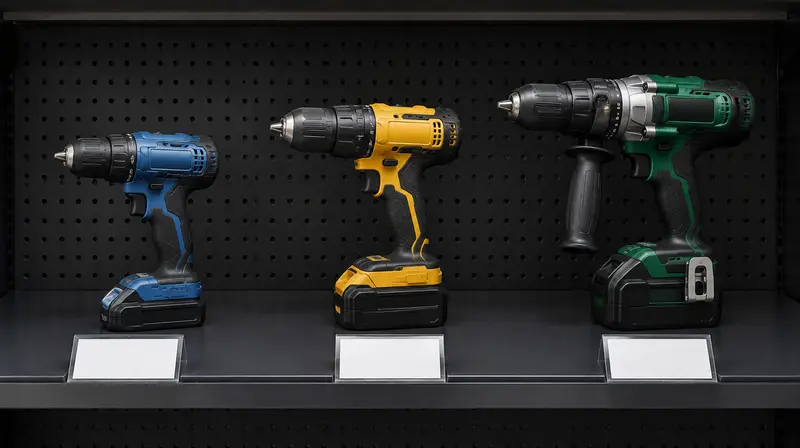
The power tool market looks like dozens of competing brands, but most of them belong to a handful of large groups. Knowing who owns whom helps you understand brand tiers, and it avoids a classic mistake: assuming that two brands from the same parent company share batteries. (They usually do not.)
Brand ownership and licensing change over time and can differ by region. The information below reflects our understanding at the time of writing; check the manufacturer's website for the latest.
Quick answer
- Budget / DIY: Black+Decker, Ryobi, Einhell, WORX, Bosch green, Craftsman, Skil, retailer house brands.
- Pro / trade: DeWalt, Milwaukee, Makita, Bosch Professional (blue), Metabo, HiKOKI / Metabo HPT, Flex.
- Premium / specialist: Hilti, Festool, Mafell.
- Same parent ≠ same batteries. Always check platform compatibility.
The big groups
| Parent company | Main tool brands | Notes |
|---|---|---|
| Stanley Black & Decker (USA) | DeWalt, Craftsman, Black+Decker, Stanley, Porter-Cable, Irwin, Bostitch, Facom | DeWalt is the pro line; Black+Decker and Craftsman target DIY. Batteries between these brands are generally not interchangeable. |
| Techtronic Industries, TTI (Hong Kong) | Milwaukee, Ryobi (licensed name), AEG (licensed name), Ridgid power tools (licensed, North America), Hart | Milwaukee = pro; Ryobi = DIY; separate battery systems. |
| Robert Bosch (Germany) | Bosch Professional (blue), Bosch DIY/home and garden (green), Dremel | Blue 18V uses the AMPShare alliance battery; green 18V uses the Power for All alliance battery. Bosch has stated cross-compatibility between its own green and blue 18V packs in many markets; check your region. |
| Makita (Japan) | Makita | 18V LXT, 40V XGT and 12V CXT platforms. |
| Koki Holdings (Japan) | HiKOKI (formerly Hitachi Power Tools), Metabo HPT (the same tools in North America), Metabo (Germany) | Metabo and Metabo HPT are different product lines with different batteries. |
| Chervon (China) | EGO, Flex, Skil; manufactures Kobalt for Lowe's | EGO is known for 56V outdoor power equipment. |
| Positec (China) | WORX, Rockwell | WORX 20V PowerShare also runs its garden tools. |
| Einhell (Germany) | Einhell | Power X-Change 18V platform, huge DIY and garden range. |
| Hilti (Liechtenstein) | Hilti | Premium, sold direct with service programmes. |
| TTS Tooltechnic Systems (Germany) | Festool | Premium woodworking and dust extraction systems. |
Brand tiers explained
Budget and house brands
Retailer brands and entry-level lines offer low prices and sometimes surprisingly good tools, especially for occasional use. The risks are limited tool ranges, batteries that may be discontinued, and less service support. Good for one-off projects and tools you will use rarely.
DIY / homeowner brands
Designed for occasional to regular home use, with large ranges including garden tools. Ryobi, Einhell, Bosch green, Black+Decker, WORX and Craftsman are common choices. Great value for most homeowners.
Professional brands
Built for daily use with brushless motors, metal gearboxes and wide ranges of specialist tools. DeWalt, Milwaukee, Makita, Bosch Professional, Metabo and HiKOKI dominate. Worth it for heavy use and serious renovation, and often on sale in combo kits.
Premium / system brands
Hilti and Festool focus on precision, service and integrated systems (dust extraction, rails, fleet management). Excellent tools, premium prices; usually not the best value for beginners.
Multi-brand battery alliances
- CAS (Cordless Alliance System): led by Metabo, with many specialist brands sharing the same 18V battery.
- AMPShare: based on Bosch Professional 18V, shared with several partner brands.
- Power for All Alliance: based on Bosch green 18V, shared with home and garden brands such as Gardena and others.
See our battery compatibility chart.
How to use this when buying
- Pick the tier that matches how often you will use the tools.
- Within that tier, choose the platform with the widest range of tools you want, at good battery prices.
- Do not assume sister brands share batteries or parts.
- Check local service and warranty support; see warranty and service.
Frequently asked questions
Are Ryobi and Milwaukee the same?
Both are sold by TTI, but they are separate product lines with different batteries, quality levels and target users.
Is DeWalt better than Black+Decker?
DeWalt is the professional brand in the same group, built for heavier use. Black+Decker is designed for light home use and costs less.
This guide is general information, not professional advice. Always read your tool's manual, use the right protective equipment and follow local building and electrical codes. See our disclaimer.