Beginners: Start Here
Cordless Battery Platforms: Why You Should Stick to One Brand
12V, 18V, 20V MAX, 40V: what cordless battery platforms are, why choosing one brand and one battery line saves money, and how to pick the right system.
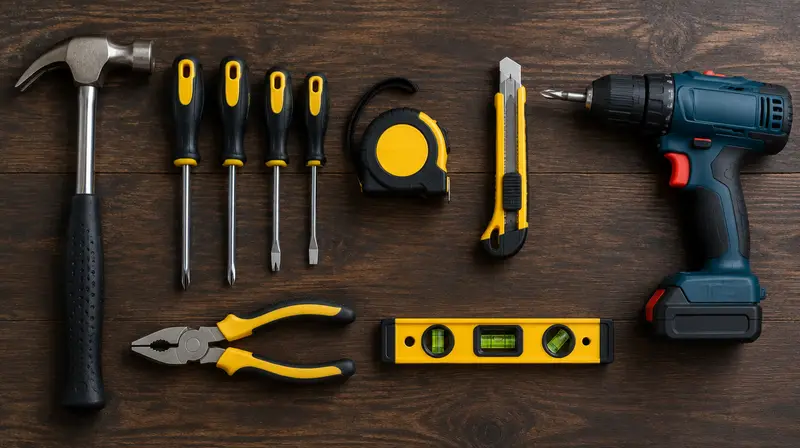
When you buy your first cordless drill, you are not just buying a drill. You are choosing a battery platform: a family of tools that all share the same batteries and chargers. This one decision will shape every tool purchase you make for the next ten years, so it is worth getting right.
Quick answer
- A battery platform is one brand's line of tools that share a battery (for example Milwaukee M18, DeWalt 20V MAX, Makita 18V LXT, Ryobi ONE+).
- Batteries are not interchangeable between brands without adapters, and adapters may void warranties.
- For most homeowners, an 18V (20V MAX) platform is the best balance of power and tool range. 12V is great as a light, compact second system.
- Pick the platform with the widest range of tools you might want later, good battery prices and good local availability.
What is a battery platform?
Each manufacturer designs its battery packs with a specific shape, connector and electronics. Every tool in that line accepts the same pack. Buy a drill kit with two batteries and a charger, and you can later buy a jigsaw, sander or work light as a "bare tool" (tool only, no battery) for much less money.
The catch is that a Makita battery will not fit a DeWalt tool, and a Ryobi battery will not fit a Bosch. Mixing brands means extra chargers, more batteries to maintain, and never having a charged pack for the tool you need.
Voltage explained: 12V, 18V, 20V MAX, 36V, 40V
Voltage is a rough indicator of the power a platform can deliver.
- 12V (sometimes sold as "10.8V"): compact and light. Ideal for furniture, cabinetry, electrical and plumbing work, and working overhead.
- 18V and "20V MAX": these are the same thing. Lithium-ion cells are 3.6V nominal and 4.0V when fully charged. Five cells in series give 18V nominal, or 20V maximum. US marketing often uses the higher figure. This is the mainstream platform for home and trade use.
- 36V / 40V / 54V / 60V: high-power platforms for large saws, big rotary hammers, and outdoor equipment. Some brands (for example DeWalt FLEXVOLT) have batteries that work in both 20V and 60V tools.
"20V MAX" and "18V" describe the same battery chemistry and cell count. Do not buy a 20V tool thinking it is more powerful than an 18V one from another brand. Compare motor type, torque and real-world tests instead.
Amp-hours (Ah): what the second number means
Batteries are also rated in amp-hours, such as 2.0Ah, 4.0Ah or 5.0Ah. This is capacity, the equivalent of fuel tank size. A 4.0Ah battery runs roughly twice as long as a 2.0Ah battery in the same tool. Larger packs are heavier, and high-output packs can also deliver more current, which some high-power tools (grinders, circular saws) need to reach full performance.
- 2.0Ah: light, good for drills and drivers.
- 4.0–5.0Ah: all-rounder, good for grinders, saws and rotary hammers.
- 6.0Ah and above / high-output: best runtime and power for demanding tools; heavier.
How to choose a platform
- List the tools you might want in five years. A drill and a driver? Also a lawn mower and leaf blower? Garden tools narrow the choice because not every brand makes them.
- Check the range. The big platforms offer hundreds of tools. Smaller or newer platforms may lack specialist tools such as a rotary hammer, a trim router or a pipe press.
- Compare battery prices. Batteries are the expensive part. Look at the cost of spare packs, and at regular kit promotions that include "free" batteries.
- Check local availability and service. Can you buy the batteries and get warranty repairs locally?
- Match the tier to your use. Most brands have a homeowner line and a professional line. See DIY vs professional tools and brands explained.
Popular platforms at a glance
| Platform | Voltage | Best for |
|---|---|---|
| Ryobi ONE+ | 18V | Homeowners who want a huge, affordable range including garden tools |
| DeWalt 20V MAX / XR (18V XR in Europe) | 18V | Very wide pro and DIY range; FLEXVOLT for high power |
| Milwaukee M18 / M12 | 18V / 12V | Trade-focused; M12 is one of the best compact platforms |
| Makita 18V LXT / 40V XGT | 18V / 40V | Very wide range including many garden tools |
| Bosch Professional 18V (AMPShare) | 18V | Pro tools; AMPShare batteries also run tools from partner brands |
| Bosch green 18V (Power for All) | 18V | DIY and garden; shared with partner brands in the Power for All alliance |
| Metabo 18V (CAS) | 18V | CAS system shared by several specialist brands |
| Einhell Power X-Change | 18V / 36V (2×18V) | Budget-friendly, large DIY and garden range |
Our battery compatibility chart lists which batteries work across which brands and tool lines, including multi-brand alliances. Always check the manufacturer's current compatibility list before buying, as ranges change.
What about battery adapters?
Third-party adapters let you use one brand's battery on another brand's tool. They can work, but they bypass the communication between tool and battery that protects against overheating and over-discharge, and they may void your warranty. We do not recommend them for high-power tools or for beginners.
Can you have two platforms?
Yes, and many people do: one 18V platform for power, plus a compact 12V platform (often from the same brand) for light work. What you should avoid is ending up with three or four unrelated brands because you bought whatever was on sale.
Frequently asked questions
Is 20V more powerful than 18V?
No. 20V MAX is the maximum (fully charged) voltage of the same 5-cell pack that other brands label 18V nominal.
Can I use a bigger Ah battery in my drill?
Yes. Any battery from the same platform fits. A bigger Ah pack simply runs longer and is heavier.
Which platform is best for beginners?
The one with the tools you need at a price you like, sold near you. Ryobi, Einhell and Bosch green are budget-friendly; DeWalt, Milwaukee and Makita offer wider pro ranges.
This guide is general information, not professional advice. Always read your tool's manual, use the right protective equipment and follow local building and electrical codes. See our disclaimer.