Beginners: Start Here
Buy, Rent or Borrow? How to Decide for One-Off Jobs
A simple framework for deciding whether to buy, rent or borrow a tool, with a list of tools that are usually better rented and what rental really costs.
A floor sander, a wet tile saw or a demolition hammer can cost hundreds of dollars and then sit in a closet for years. Rental shops, tool libraries and neighbours exist for exactly these tools. This guide gives you a simple way to decide whether to buy, rent or borrow.
Quick answer
- Buy tools you will use at least a few times a year, or that are cheap: drill, screwdrivers, level, sander, jigsaw.
- Rent expensive, bulky or specialist tools for one project: floor sanders, demolition hammers, wet tile saws, carpet cleaners, concrete mixers, scaffold towers.
- Borrow from friends or a tool library when the job is small and the tool is common.
- If rental for the project costs more than about 40–50% of the purchase price, consider buying (and possibly reselling afterwards).
The 3-question test
- How often will I use it? Once for this project, or regularly for years?
- How much does it cost to buy vs rent? Compare the full rental cost (days × daily rate + deposit + transport) with the purchase price.
- Where would I store it? A 30 kg tile saw in a studio apartment is a real cost in space.
If you will use it more than twice a year, it is cheap, or it is small, buy it. If you will use it once, it is expensive, or it is large, rent it.
Tools that are usually worth renting
| Tool | Typical job | Why rent |
|---|---|---|
| Drum or orbital floor sander | Refinishing wooden floors | Very expensive, heavy, used once every 10+ years |
| Demolition / breaker hammer | Removing tiles, screed, concrete | Heavy, high purchase price, one project |
| Wet tile saw (bridge saw) | Large-format or porcelain tiles | Bulky, messy; a manual cutter covers small jobs |
| Wallpaper steamer | Stripping old wallpaper | Used once per room, cheap to rent |
| Carpet / upholstery cleaner | Deep cleaning | Occasional use |
| Concrete mixer | Pouring slabs, footings | Large, one project |
| Wall chaser | Cutting channels for cables | Specialist, dusty |
| Diamond core drill | Large holes for extractor ducts, pipes | Very specialist, expensive |
| Scaffold tower | High ceilings, exterior work | Large, needs safe storage |
| Pressure washer (large petrol) | Patios, driveways | Small electric ones are cheap to buy; big ones are worth renting |
Tools that are almost always worth buying
- Cordless drill-driver and bit set
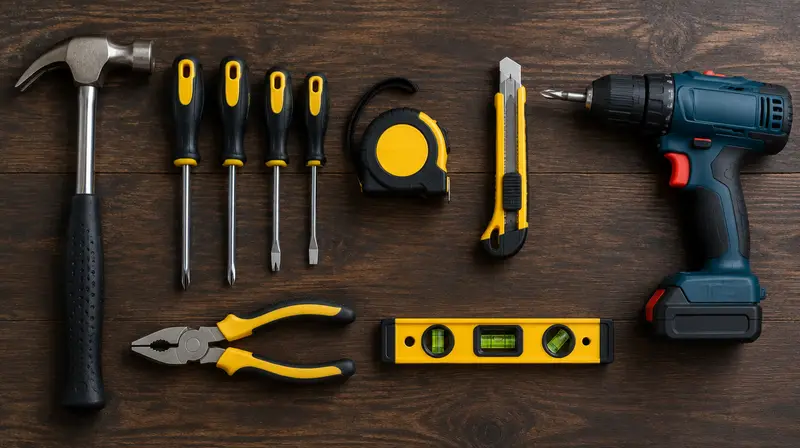
- Hand tools: hammer, screwdrivers, pliers, tape measure, level, utility knife
- Stud and wire detector
- Orbital sander, jigsaw and multi-tool if you do regular DIY
- Stepladder
- Basic car kit: jack stands, socket set, tire inflator
The hidden costs of renting
- Deposit: often substantial and held on a card.
- Consumables: sanding sheets, blades and discs are usually charged extra and can be pricey.
- Time pressure: you pay per day, so plan the job before collecting the tool.
- Transport: large tools may need a car or van.
- Damage waiver: optional insurance; worth considering for expensive equipment.
- Book mid-week; weekend rates and availability are often worse.
- Ask for a demonstration and the manual before leaving the shop.
- Check the tool on collection and photograph any existing damage.
- Prepare the room fully before collecting the tool so you use every hour you pay for.
Borrowing and tool libraries
Many towns now have tool libraries where members borrow tools for a small annual fee. Community groups and neighbourhood apps are also good sources. If you borrow a tool:
- Return it clean, charged and on time.
- Replace consumables you used up (blades, bits, sanding sheets).
- Offer to pay for any damage. It keeps friendships intact.
Buy, use, resell
For mid-price tools needed for a few weeks, such as a rotary hammer for a renovation, buying new or used and reselling afterwards can cost less than renting. Good brands hold their value. Our guide on buying used tools explains what to check.
Frequently asked questions
Is it cheaper to rent or buy a tile cutter?
A manual tile cutter for ceramic tiles is inexpensive and worth buying. A large wet saw for porcelain or large-format tiles is usually better rented.
Do rental shops provide safety gear?
Some sell or include basic PPE, but bring your own safety glasses, hearing protection and dust mask.
This guide is general information, not professional advice. Always read your tool's manual, use the right protective equipment and follow local building and electrical codes. See our disclaimer.