Beginners: Start Here
15 Common Beginner Mistakes When Buying and Using Tools
The most common mistakes new DIYers make when choosing and using tools, from mixing battery brands to drilling into wires, and how to avoid each one.
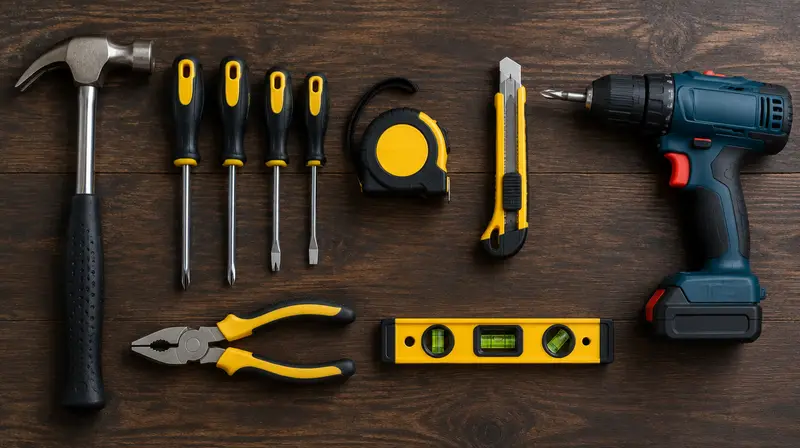
Everyone makes mistakes when they start working with tools. Some cost money, some cost time, and a few can cause real injuries. Here are the fifteen we see most often, grouped into buying mistakes and working mistakes, with a simple fix for each.
The top three to avoid
- Drilling without checking for wires and pipes. Always scan the wall first.
- Buying tools from several battery brands. Pick one platform.
- Skipping eye protection "just for one hole". That is exactly when accidents happen.
Buying mistakes
1. Buying the biggest kit instead of the right tools
A 250-piece kit looks like value, but most of the pieces are tiny bits and sockets. Buy fewer, better tools and add as needed. See are tool kits worth it?
2. Mixing battery platforms
A drill from one brand on sale, a sander from another, a jigsaw from a third: now you have three chargers and batteries that do not fit each other's tools. Choose one battery platform and stick to it.
3. Buying a drill when you need a rotary hammer
If you live in a concrete building, a combi drill will struggle and overheat. For more than the occasional hole in concrete, get an SDS-plus rotary hammer.
4. Buying a single battery
With one battery, the tool dies mid-job and you wait an hour. Two batteries let you swap and keep working.
5. Cheaping out on bits, blades and discs
A good drill with a blunt bargain bit performs worse than a cheap drill with a sharp quality bit. Consumables matter as much as the tool.
6. Paying for professional tools you will use twice
Top-tier tools are built for daily use. For occasional jobs, mid-range or rental tools make more sense.
7. Buying counterfeit tools online
Fake batteries and tools from marketplaces can be dangerous. Learn how to spot a fake.
Working mistakes
8. Not checking for wires and pipes
Drilling into a live cable can cause electric shock, fire or expensive damage; a water pipe can flood a flat. Use a detector and know where cables usually run. Read how to find hidden wires.
9. Using the wrong bit or screw head
Phillips and Pozidriv are different. A worn or wrong-size bit strips screw heads. Match the bit exactly and replace worn bits.
10. Leaving the clutch on the drill setting
Driving screws with the clutch bypassed snaps heads and cracks furniture. Start at a low clutch number and increase until the screw sits flush.
11. Using hammer mode on tiles and wood
Hammer mode cracks tiles and makes messy holes in wood and metal. Use it only in brick, block and concrete, and drill through tiles with a tile or diamond bit in normal mode first.
12. Pushing too hard
Leaning your whole weight on a drill or grinder overheats the motor, dulls bits and increases the risk of kickback. Let the tool and a sharp bit do the work.
13. Wearing gloves or loose clothing near spinning parts
Loose gloves, sleeves, jewellery and long hair can be caught by a drill chuck or bench grinder and pull your hand in. Know when gloves are unsafe.
14. No clamping
Holding a small workpiece by hand while drilling or cutting is how fingers get hurt. Clamp it to a bench or use a vice.
15. Skipping measuring and marking
"Measure twice, cut once" is a cliché because it is true. Mark holes with a pencil and check with a level before drilling.
A beginner's checklist before every job
- Read the tool's manual if you have not used it before.
- Put on eye protection (and hearing and dust protection if needed).
- Check the wall or workpiece for wires, pipes and hidden fixings.
- Clamp the workpiece and clear the area.
- Choose the correct bit or blade and check it is sharp and tight.
- Set speed, mode and clutch correctly.
- Start slowly and let the tool do the work.
Frequently asked questions
What is the most dangerous mistake for beginners?
Drilling into live wiring, and using angle grinders without guards or protection. Both can cause serious injuries.
How can I practise safely?
Practise on scrap wood clamped to a stable surface, with eye protection, before starting on a wall or furniture.
This guide is general information, not professional advice. Always read your tool's manual, use the right protective equipment and follow local building and electrical codes. See our disclaimer.