Power Tools Explained
Drills and Drill-Drivers Explained: Types, Specs and How to Use One
Everything a beginner needs to know about cordless drills and drill-drivers: combi vs drill-driver, torque, clutch, chuck size, bits and how to drill and drive screws properly.
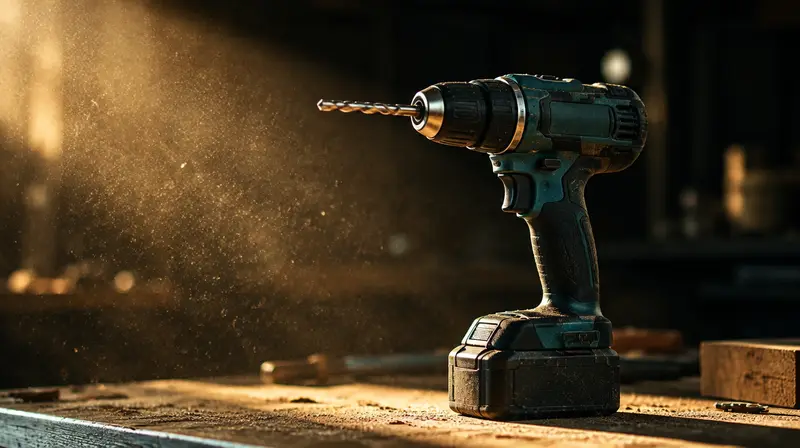
The drill is the first power tool almost everyone buys, and for good reason. A cordless drill-driver drills holes in wood, metal, plastic and (with hammer action) brick, and it drives screws quickly and neatly. This guide explains the types, the specs that actually matter, the accessories you need and how to use one well.
Quick answer
- Drill-driver: drills and drives; best for wood, metal and furniture.
- Combi (hammer) drill: adds hammer action for brick and block. The best all-rounder for most homes.
- Specs to check: 18V platform, two-speed gearbox, 13 mm chuck, 50+ Nm torque, brushless motor if budget allows, two batteries.
- For regular drilling in concrete, add an SDS-plus rotary hammer.
What a drill can do
- Drill holes in wood, plasterboard, plastic and metal
- Drill brick and block (combi drills with hammer mode)
- Drive and remove screws of all sizes
- Mix small amounts of paint or filler with a mixing paddle
- Run hole saws, spade bits, wire brushes and sanding accessories
Types of drill
Drill-driver
A rotating drill with a clutch for driving screws. No hammer mode. Lighter and often cheaper. Ideal if your walls are timber-framed or plasterboard and you mostly work with wood and furniture.
Combi drill (hammer drill-driver)
A drill-driver with an added hammer mode: a mechanism that makes the chuck vibrate forward and back rapidly, helping masonry bits chip through brick and block. It is the most versatile choice for homes with masonry walls. It can drill small holes in concrete, but slowly.
Compact 12V drill-driver
Smaller and lighter, great for furniture, cabinets and overhead work. Less power and runtime.
Corded drill
Unlimited runtime and cheap, but less convenient. A good budget choice for workshop use.
Related tools
An impact driver drives screws faster and with less wrist strain but does not have a chuck for round-shank drill bits. A rotary hammer drills concrete far better. See our comparison of drills, impact drivers and hammer drills.
Key specifications
- Torque: 40–60 Nm handles most home tasks. 80–140 Nm is for large bits, hole saws and long screws. See our glossary.
- Two-speed gearbox: low gear for screws and big bits, high gear for small holes. Essential.
- Chuck: a 13 mm (1/2 in) metal chuck holds larger bits securely. Cheap 10 mm plastic chucks can slip.
- Brushless motor: longer runtime, more power, longer life.
- LED light, belt clip, side handle: small but useful. A side handle is important on powerful drills.
How to choose a drill
- Choose your battery platform first. See battery platforms.
- Check your walls: masonry means a combi drill (and possibly a rotary hammer later).
- Buy a kit with two batteries (2.0 Ah or more) and a charger.
- Hold it in a store if you can: balance and grip matter.
- Compare warranty terms and registration requirements.
For specific recommendations, see best cordless drills by budget.
Accessories you need
| Accessory | Use | Tip |
|---|---|---|
| Brad-point wood bits | Clean holes in wood | The centre spur prevents wandering |
| HSS metal bits | Steel, aluminium, plastic | Use cobalt bits for stainless steel; use cutting oil |
| Masonry bits (carbide tipped) | Brick, block, stone | Use with hammer mode |
| Tile / glass bits or diamond bits | Ceramic, porcelain, glass | No hammer mode; low speed; keep cool |
| Spade bits, Forstner bits | Large holes in wood | Low speed, firm grip |
| Hole saws | Downlights, pipes, door locks | Use side handle |
| Screwdriver bits + magnetic holder | Driving screws | Match PH/PZ/Torx exactly |
| Countersink bit | Flush screw heads | Neater finish on wood |
How to drill a hole
- Mark the spot with a pencil. On tiles or smooth surfaces, add masking tape to stop the bit skating.
- Check for wires and pipes with a detector. See hidden wires.
- Choose the bit for the material and size of the wall plug or screw.
- Set the mode: drill symbol for drilling, hammer symbol for masonry only. Set high gear for small holes, low gear for large bits.
- Set the depth with a depth stop or a piece of tape on the bit.
- Start slowly with the bit square to the surface, then increase speed.
- Clear dust by pulling the bit out occasionally when drilling deep holes.
How to drive screws with the clutch
- Fit the correct bit (PH2 for most Phillips screws, PZ2 for Pozidriv).
- Select low gear.
- Set the clutch to a low number (e.g. 5 on a 20-step clutch).
- Press firmly in line with the screw and squeeze the trigger gently.
- If the clutch clicks before the screw is flush, increase the setting by one or two steps. If the head sinks too far, reduce it.
Drill a pilot hole for screws near the end of timber or in hardwood. It prevents splitting and makes driving much easier.
Common mistakes
- Using hammer mode on tiles, wood or metal.
- Drilling metal too fast (bits overheat and blunt). Slow down and use oil.
- Stripping screws by using the wrong bit or too high a clutch setting.
- Not using the side handle with large bits.
Maintenance
Blow out dust from the vents, keep the chuck clean, store batteries at partial charge, and replace worn bits. See our battery care and bit sharpening guides.
Frequently asked questions
Can a combi drill drill concrete?
It can drill small holes in concrete slowly, but it is not efficient. For regular concrete drilling, an SDS-plus rotary hammer is far faster and less tiring.
What size drill bit for a wall plug?
Use the bit size printed on the plug packaging, usually the same as the plug diameter (e.g. a 6 mm bit for a 6 mm plug).
What is the clutch for?
It limits torque so screws are not overdriven or stripped. Low numbers for small screws and soft materials, higher numbers for long screws.
This guide is general information, not professional advice. Always read your tool's manual, use the right protective equipment and follow local building and electrical codes. See our disclaimer.